

Attic Wardrobes: Why the Deepest Space Isn’t Always the Best Storage Space
Attics look spacious at first glance. The floor area seems big, and it feels natural to push a wardrobe right into the deepest part of the room. Many people believe that the more depth they use, the more storage they gain. With attic wardrobes, that usually isn’t true. The slope of the ceiling changes everything, and the deepest areas often become the hardest parts to use.
So why does a deep attic space fail when it becomes a wardrobe?
Sloped Ceilings Limit What You Can Use
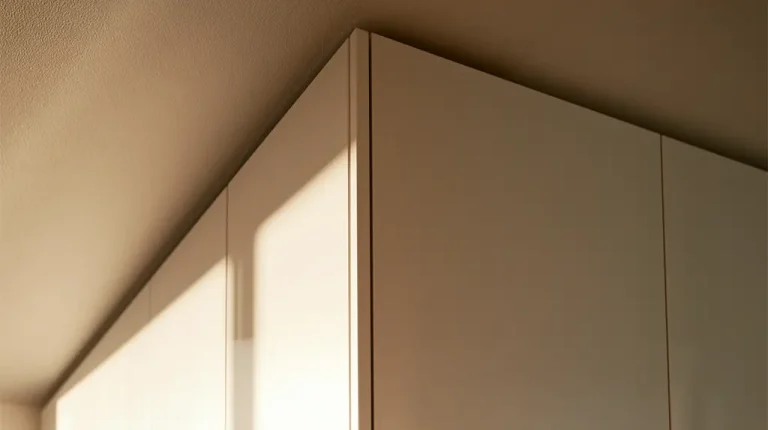
Most attic ceilings drop quickly. Even when the floor space is wide, the usable height shrinks fast. A wardrobe fitted into that low section looks generous from the outside, but inside it becomes tight and difficult to reach.
Hanging rails need height. Drawers need clear space to open. Shelves need room for your hands. When the ceiling presses down on the carcass, these features stop working well. The depth of wardrobe becomes misleading. You get a large box of space, but only the front part is practical.
This leads to a common problem: a wardrobe that looks full-sized but only works halfway.
Deep Space Often Becomes Dead Space
Deep attic wardrobes tend to create a dark pocket at the back where things disappear. The space exists, but you cannot use it comfortably. Items fall behind piles. Seasonal clothes get lost. The area becomes storage you forget about.
This happens because the depth grows while the height drops. Even slide storage cannot fix this if the rear section is too low. Sliding doors make access easier, but they cannot change the shape of the attic.
A balanced depth works better. It keeps everything within reach instead of creating a hidden zone you avoid using.
A Better Way to Use Attic Space
The most useful area in an attic is the mid-height zone where you can stand without leaning forward. This is where shelves, rails and drawers should sit. When storage is planned around that area, the whole wardrobe becomes easier to use.
Shallower wardrobes often work better in attics. It sounds unusual, but keeping the storage closer to the front gives you more control. You can see everything. You can reach everything. Nothing gets pushed into the dark corners created by the slope.
The lower part under the ceiling can still hold plenty. Folded clothes, bedding and storage bags all work well in that smaller height. The space is used, but in a way that suits the shape of the room.
In many Cork attic projects, this approach has proven far more practical than deep, full-length units. A recent installation showed this clearly. The client expected a deep layout, but the slope reduced the useful height too much. A shallower wardrobe with shelving at the front and low storage at the back made the entire room easier to live with.
Planning an Attic Wardrobe That Works
A few simple checks help avoid the common mistakes:
- Measure the highest standing point
- Check how quickly the ceiling drops
- Work out how much depth you can reach without bending
- Keep important items close to the front
- Use the lowest area for folded storage or soft bags
- Make sure the lighting reaches the full wardrobe
The main question is simple:
Do you want more space or more usable space?
In attics, these are not the same. A practical layout always focuses on what you can reach, not what you can technically fit.
If you’re ready to transform your space, let’s get started.