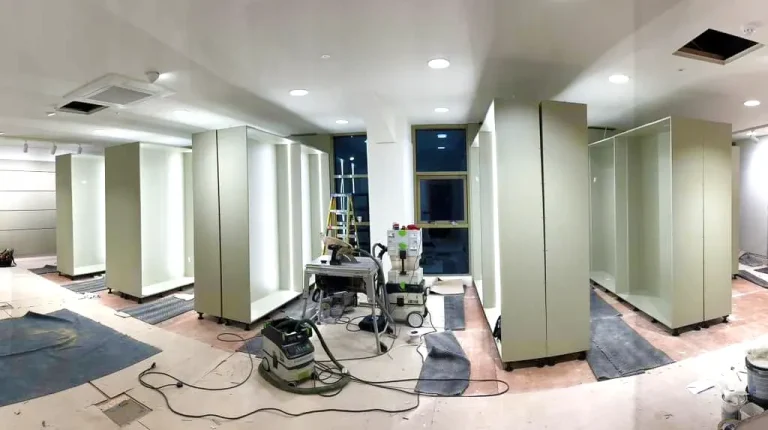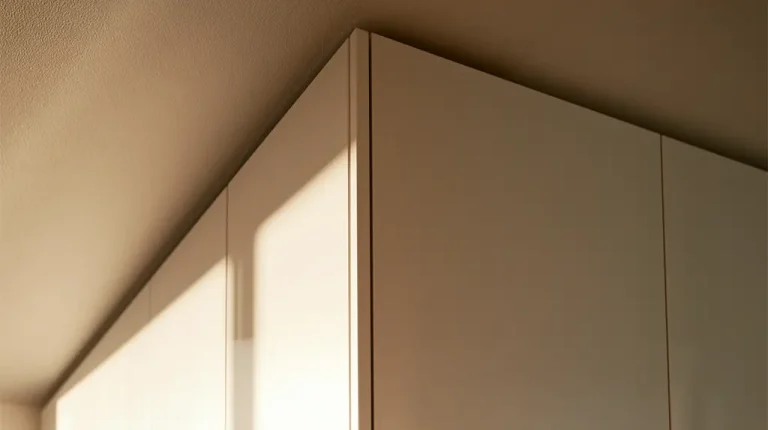

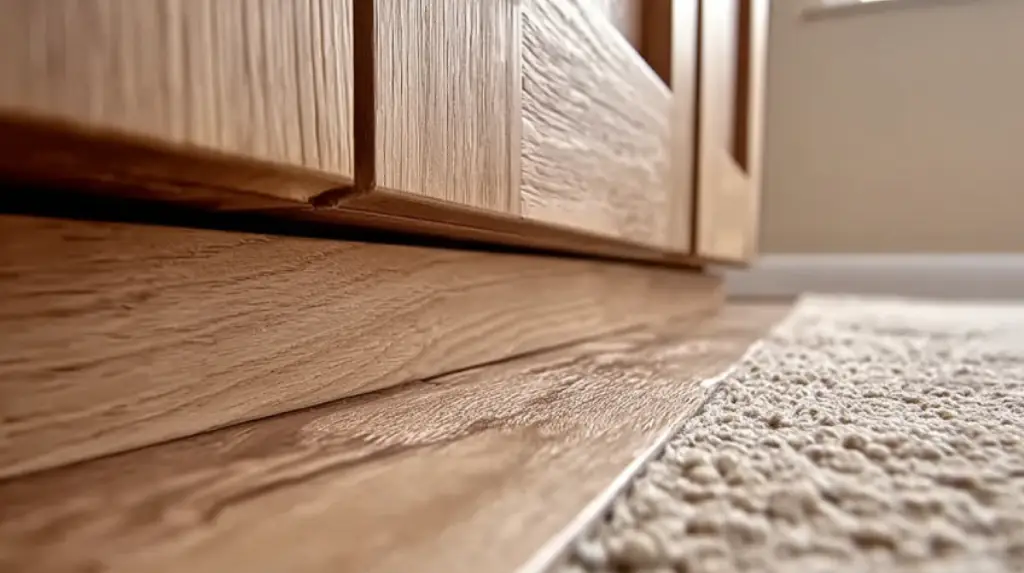
Uneven floors are far more common than most people realise. Older houses settle, extensions meet original structures, timber floors flex, and concrete slabs dip over time. Most of this goes unnoticed until something precise is installed. Sliding wardrobes are often the first thing to reveal the issue.
At the start, everything seems fine. The doors slide, the wardrobe looks straight, and nothing feels wrong. A few months later, doors begin to drift, rub, or stop sitting evenly. That’s usually when the floor becomes part of the conversation.
Sliding wardrobes rely on balance. The doors hang or roll on tracks that expect a consistent level across the full width of the unit. Even a small difference from one side to the other is enough to cause problems. Gravity always pulls doors towards the lowest point. Hinged doors can tolerate slight movement. Sliding doors cannot. This is why issues often appear slowly rather than immediately.
How Uneven Floors Affect Sliding Wardrobes
The first signs are usually subtle. Doors may roll open when left halfway. One door might feel heavier than the other. Small gaps appear on one side while the opposite side stays tight. Over time, the rollers and tracks take uneven pressure, which leads to extra wear. The wardrobe still works, but it never feels right again. These symptoms are often mistaken for faulty doors or hardware, when the real issue sits underneath.
Floors rarely slope evenly in one direction. More often, they dip in the middle or fall slightly towards one wall. That unevenness transfers directly into the wardrobe if it isn’t corrected during installation. Once the base follows the floor, the rest of the system follows the base. Adjusting rollers later can help a little, but it doesn’t fix a sloping foundation.
How Installers Deal With the Problem
A proper installation always starts with checking floor level across the full run of the wardrobe, not just in one spot. What matters is consistency from end to end. If the floor is uneven, the wardrobe needs to be levelled independently of it. This is done by packing or adjusting the base so the tracks sit perfectly straight, even if the floor does not.
Sometimes adjustable feet are used. In other cases, solid packers are placed at specific points. The aim is simple: the wardrobe must be level within itself. Skipping this step almost guarantees problems later. This is also where experience matters. Floors, walls, and ceilings often lean in different directions, especially in older homes. The installer has to choose the right reference line so the doors look straight to the eye, even if nothing else in the room is perfectly square.
DIY installations often struggle here. Floors look flat until they are measured properly. Flat-pack systems tend to rely on the floor for alignment, which makes any slope part of the structure. Once everything is fixed in place, correcting it becomes difficult without removing the unit.
What to Watch For Over Time
If doors start drifting open, rubbing, or feeling uneven, it’s worth checking whether the base is still level. Early adjustments can sometimes help. If the base has settled or compressed, parts of the wardrobe may need to be lifted and re-packed. In more serious cases, removing and re-levelling the unit is the only proper fix.
Getting the base right from the start avoids all of this. An uneven floor doesn’t mean sliding wardrobes won’t work. It just means the floor can’t be trusted as the reference point. When the wardrobe is levelled correctly, even a poor floor won’t cause issues later.
It’s one of those details you never notice when it’s done properly. And one you notice every day when it isn’t.
If you’re ready to transform your space, let’s get started.