

A wardrobe can look straight and still be slightly out of level or out of square. This happens more often than people realise, especially in homes where floors, walls, and ceilings don’t line up perfectly.
The result is a wardrobe that looks fine at first glance but behaves oddly over time. Doors drift. Gaps change. Drawers feel different depending on which side you use. These issues usually point to one thing: what looks straight isn’t actually sitting straight.
Why Visual Straightness Is Misleading
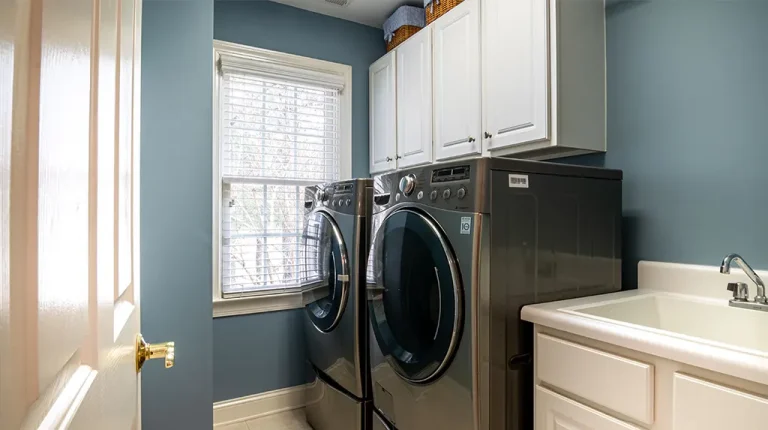
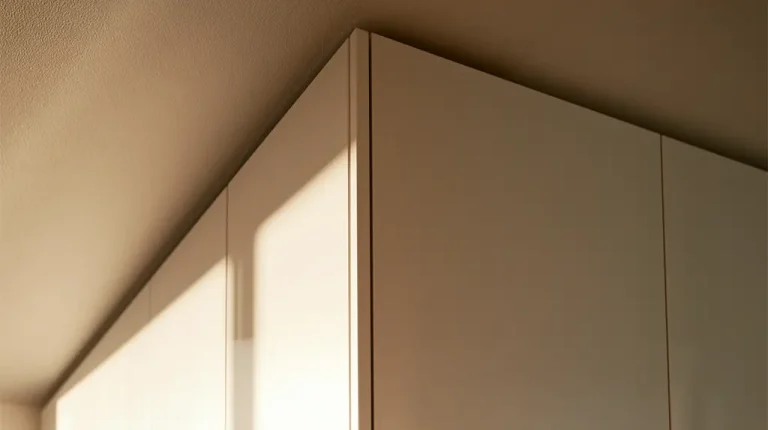
The eye judges straightness by comparison. It looks at skirting boards, door frames, ceiling lines, and nearby furniture. If all of those elements lean slightly in the same direction, a wardrobe that follows them will look correct, even if it isn’t level.
This is common in real rooms, especially in older houses.
Typical visual traps include:
- floors that slope gradually across a room
- ceilings that dip slightly in the middle
- walls that lean but look vertical next to door frames
- skirting boards that follow the floor, not true level
A wardrobe that follows these lines looks right. A wardrobe that is actually level can look wrong. This is why problems often surprise homeowners.
What Professionals Mean by “Straight”
Professionals don’t rely on one definition of straight. They check several things separately, because each one affects how a wardrobe works.
They look for:
- level across the base, from end to end
- plumb sides, so weight is carried evenly
- square corners, so doors and drawers align properly
A wardrobe can fail one of these checks and still look fine. That’s when issues appear later.
In many rooms, it isn’t possible to achieve perfect level, plumb, and square at the same time. Professionals have to decide which reference points matter most for function, and where small visual compromises are acceptable.
That judgement is usually invisible once the job is finished. The difference shows up in how the wardrobe behaves over time.
How Professionals Check What the Eye Can’t See
This is where the process becomes practical rather than visual.
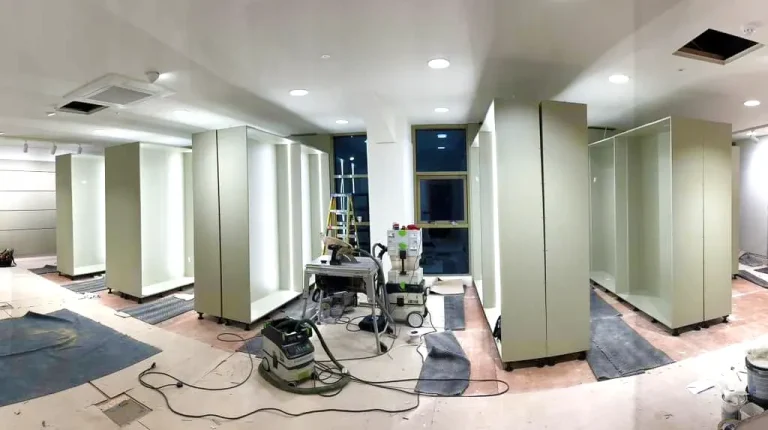
Professionals don’t check one point and move on. They check the whole run of the wardrobe and compare multiple surfaces. A short spirit level isn’t enough for this. It can miss gradual changes that only show over longer distances.
Common checks include:
- measuring floor level across the full width of the wardrobe
- checking front-to-back and side-to-side slope
- checking ceiling level independently from the floor
- checking wall plumb at several points, not just the corners
Laser levels are often used to project a consistent reference line across the room. This makes it easier to spot dips, rises, and twists that the eye ignores. When a laser line drifts away from the floor or ceiling, it shows exactly where adjustment is needed.
Professionals also watch how the wardrobe behaves during fitting:
- does the carcass sit naturally, or need forcing
- do doors settle evenly once hung
- does one side carry more weight
These details confirm whether the structure is truly sitting as it should.
Why These Checks Matter Later On
A wardrobe that starts slightly out of alignment rarely stays the same. Houses move. Floors compress. Materials settle. Small errors become more noticeable over time.
Common long-term signs include:
- doors drifting open or closed
- uneven gaps appearing gradually
- hinges or rollers wearing faster on one side
- drawers feeling different depending on position
Professional checks reduce these problems because they deal with the cause early. Levelling the base properly and keeping the structure square within itself makes future adjustment easier and extends the life of the wardrobe.
A straight-looking wardrobe can hide small issues. A well-checked wardrobe behaves properly long after installation.
If you’re ready to transform your space, let’s get started.